The Essential Guide to Choosing a High-Quality Number Tracing Book for Kids
Navigating the world of educational printables, especially for young learners, can be surprisingly complex. Many parents, educators, and creators gravitate towards a Number Tracing Book for Kids because it offers a structured, reusable, and affordable way to build foundational math skills. However, what looks like a simple download or product purchase often comes with subtle pitfalls that can undermine the entire learning experience or business venture. Let's look at how to make informed choices that serve both the child's development and your practical needs.
Understanding the Core Value of a Trace 1 To 100 Book
A well-designed Number Tracing Book for Kids isn't just a set of pages with dashed lines. It's a carefully sequenced tool that guides a child from recognition to mastery. Starting at 1 and progressing systematically to 100 builds confidence and reinforces the logical order of numbers. This progression is crucial—jumping from tracing 1 to 50 without the intermediate steps can leave gaps in a child’s understanding. The book's primary job is to develop fine motor control, number familiarity, and pre-writing skills, all of which are pillars for future academic success.
Common Oversights When Selecting or Creating a Tracing Book
Even with the best intentions, small errors in judgment can lead to frustration. Here are some typical areas where mistakes happen.
Prioritizing Quantity Over Learning Structure
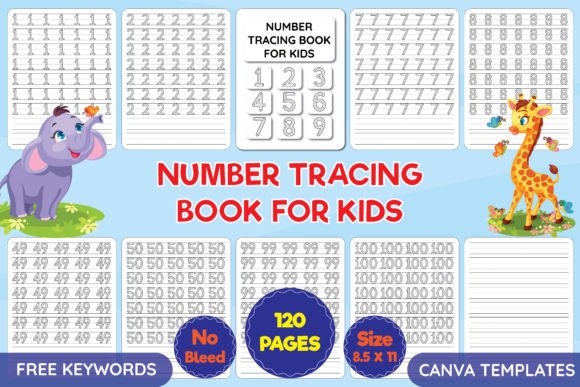
It’s easy to be drawn to a book boasting "120 pages!" but page count alone is meaningless if the content isn’t pedagogically sound. A book crammed with random number repetitions lacks the scaffolding children need. The better approach is to examine the sequence and variety. Look for books that include clear, large numerals for initial tracing, perhaps followed by smaller guides, and finally, EXTRA PRACTICE PAGE sections for challenging numbers like 15 or 48. These dedicated practice pages are invaluable for overcoming specific hurdles without forcing the child to re-trace the entire sequence.
Ignoring the Critical Details of Print Readiness
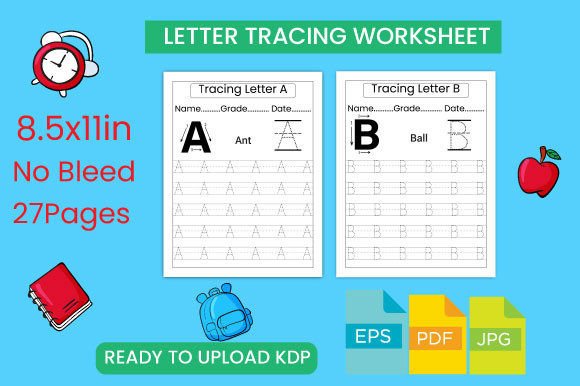
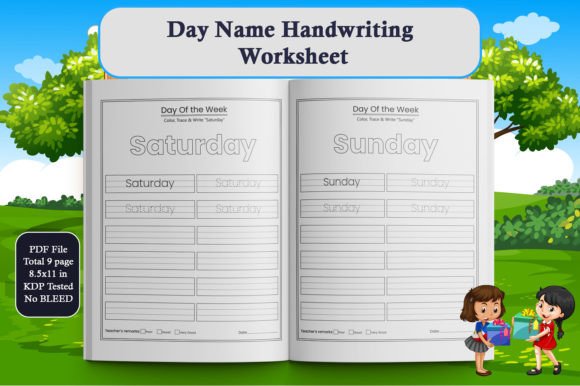
For creators publishing on platforms like KDP (Amazon Kindle Direct Publishing), and for parents who plan to print at home, the technical specs are not mere jargon. The phrase "High-Quality Print Ready PDF" must be verified. A common mistake is assuming any PDF will print perfectly. You should ensure the file is truly optimized for print: using the correct color space, having embedded fonts, and most importantly, adhering to the specified Dimensions 8.5″ x 11″ Inches. An improperly sized PDF will result in cropping or scaling errors, making the tracing lines misaligned and unusable. The mention of "No Bleed" is also key—it means the design is safely within the page margins, so home printers won’t cut off any part of the number.
Sourcing Only One File Type
If you are a creator or educator who might want to use the content in digital apps or custom worksheets, receiving only a PDF can be limiting. A product offering both a High Quality JPEG File and a High Quality PNG File alongside the PDF provides immense flexibility. PNG files, with their potential for transparency, allow you to overlay tracing activities on other backgrounds. Overlooking this multi-format access is a frequent oversight that locks you into a single use case.
Practical Advice for Evaluation and Use
Before you download, purchase, or upload a Number Tracing Book For Kids, pause and conduct a few simple checks. These steps save time and ensure quality.
- Preview the Sequence: Don’t just look at the cover. Scan through the interior pages. Does the tracing from 1 to 100 flow logically? Are there clear instructions or starting points for each number?
- Verify the “Amazon Tested” Claim: For KDP sellers, this is vital. It implies the file has been uploaded to the KDP system and passed its automated checks for trim and size. If this isn’t explicitly stated, you risk uploading a file that could be rejected or produce poor-quality printed books.
- Assess the Extra Practice Pages: Check if these pages are thoughtfully placed. They should not just be blank grids, but should target numbers that children commonly struggle with, offering a slightly different practice context to reinforce learning.
- Consider the End-User Experience: Whether you’re a parent or a teacher, think about the child’s hand. Are the tracing lines thick and dark enough for a young child to see easily? Is there sufficient space around each number to avoid a cluttered, intimidating page?
Building a Market-Ready Product with a High Score Niche
For entrepreneurs and creators, the goal is to create a product that stands out. The keyword "High Score Niche" suggests there’s proven demand. To truly be "market-ready," you need a complete package. This means the interior trace book must be flawless, and you must Create a cover that is professionally designed and compelling. A common business mistake is investing all energy into the interior but using a hastily made cover. The cover is your primary sales tool on Amazon; it must communicate the book’s value instantly to browsing parents. Pairing a print-ready interior with a cover that looks like a real, tangible book is what converts interest into sales.
The Balanced Approach to Content Creation
Finally, remember that the best Number Tracing Book for Kids balances educational rigor with child-friendly design. Avoid the temptation to make it overly decorative with distracting backgrounds. The focus should be the numbers. Use clear, sans-serif fonts for the numerals. Ensure each page has a consistent layout so the child isn’t relearning how to use the book every few pages. By focusing on these elements, you create a tool that is genuinely helpful, whether for your own child, your classroom, or your customers. Making these considered choices upfront leads to greater satisfaction, effective learning, and a product that truly serves its purpose.