The Assignment Planner Log Book KDP Interior: Your Blueprint for Structured Productivity
In a world saturated with digital notifications and fleeting to-do lists, there is a growing resurgence of tangible tools for deep work. The Assignment Planner Log Book KDP Interior represents this shift perfectly—it is not merely a template but a professionally designed framework for capturing, tracking, and completing tasks. Created specifically for Amazon Kindle Direct Publishing (KDP), this interior file provides a ready-to-use structure for anyone looking to publish or utilize a high-quality planner that fosters accountability and clarity.
Its relevance extends beyond simple organization. Professionals, students, freelancers, and creators are increasingly seeking systems that reduce cognitive load. Digital tools often scatter information across multiple apps, while a dedicated physical log book creates a single, authoritative source. This KDP interior file answers that need by offering a versatile and tested foundation for a customizable productivity companion.
Why Structured Planning is Replacing Digital Chaos
Modern workflows, while technologically advanced, often lack cohesion. The act of writing down assignments, deadlines, and progress in a dedicated log book engages a different part of the brain, enhancing commitment and memory. The design of this Assignment Planner interior leverages this cognitive benefit. It fits into the broader trend of intentional productivity—choosing tools that align with one's work style rather than defaulting to the latest app.
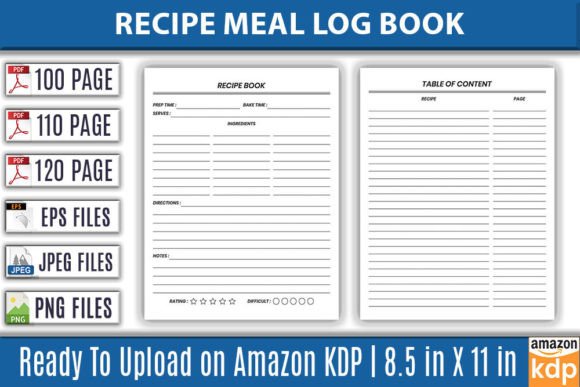
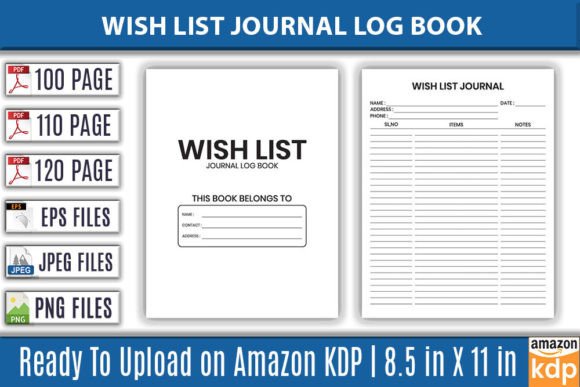
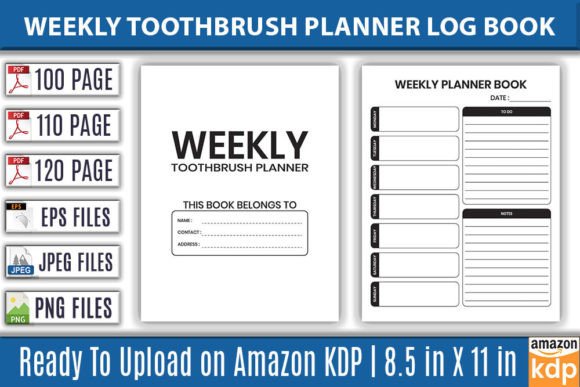
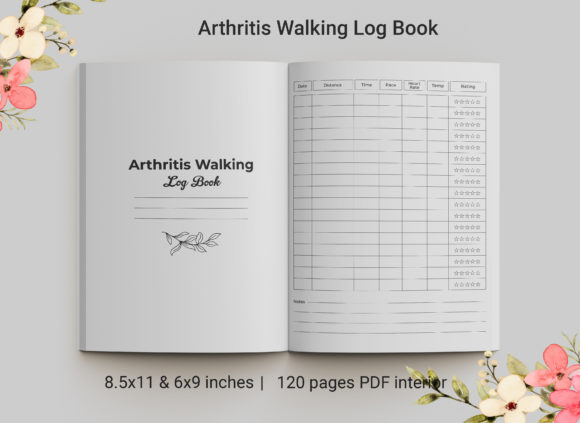
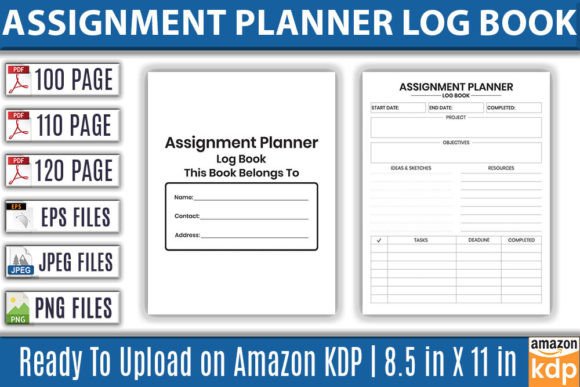
For KDP publishers and content creators, this represents a direct response to market preferences. Users are looking for planners that feel substantial and purpose-built. Offering a product with 100, 110, or 120 pages at a standard 8.5×11 inches trim size provides flexibility. Whether for a semester-long student project or a quarterly professional goal-setting, the page count can be tailored to the scope of work, making the planner adaptable to various needs.
The Evolution of the Planner: From Generic to Purpose-Specific
Planners have evolved from simple calendars to sophisticated project management tools. The Assignment Planner Log Book interior embodies this evolution by focusing on the specific workflow of managing discrete assignments. This shift mirrors changing habits in education and professional environments, where tasks are often project-based and require tracking across multiple stages—research, drafting, revision, and submission.
The interior's design is inherently practical. It avoids the bleed settings, ensuring clean printing on standard equipment, and its 300 DPI quality guarantees that every line, checkbox, and header appears sharp and professional. This attention to technical detail is crucial for meeting user expectations. A blurry or misaligned print can undermine the sense of order the planner is meant to provide, so these specifications are foundational to its utility.
Key Features for the End User and the Creator
For the individual using a planner made from this interior, the benefits are clear. The ample page count allows for detailed logging without feeling cramped. The large trim size provides space for expansive notes and brainstorming alongside core planning elements. It supports a methodical approach, breaking large assignments into manageable, tracked steps.
For the KDP publisher or entrepreneur, the value lies in the comprehensive file package. The inclusion of a print-ready PDF, an editable EPS original file, transparent background PNGs, and high-resolution JPG bonus files offers unparalleled flexibility. This means the interior can be uploaded directly to KDP for instant publishing, or it can be customized—colors changed, sections added, logos inserted—to create a unique branded product. The fact that it is KDP tested removes the technical anxiety of upload errors and quality rejections, a significant hurdle for new publishers.
Practical Implications for Professionals and Creators
Implementing a tool like this has tangible impacts on daily output. An educator might use it to plan curriculum modules, tracking resource gathering, lesson drafting, and assessment creation. A freelance writer could log article assignments, tracking pitches, research hours, drafts, and client feedback stages. The structure discourages multitasking and encourages sequential, focused progress.
The availability of editable files is particularly powerful for business owners. It allows for the creation of specialized versions—a Client Project Log Book or a Research Assignment Tracker—tailoring the product to niche markets. This adaptability is key in a creative economy where differentiation is valuable. Rather than selling a generic planner, one can sell a purpose-engineered productivity system.
Integration into Modern Creative Practices
Today's creative practices often blend analog and digital tools. The Assignment Planner interior, especially with its supplemental PNG and JPG files, can be part of a hybrid system. Sections of the planner can be designed to complement digital calendars; for instance, a weekly assignment log in the book can correlate with deadlines set in a digital project management app. The planner becomes the strategic overview, while digital tools handle reminders and collaborations.
The no bleed setting is a practical consideration rooted in this integrated reality. It ensures the final printed book is easy to use with standard home or office printers, making it accessible for self-publishing creators who might also be the end-users. They can print a prototype, test the workflow themselves, and refine the product before a full-scale KDP launch, embodying a truly user-centric design process.
Realistic Applications and Market Alignment
Consider a small online business selling planners for graduate students. Using this KDP interior, they can quickly produce a high-quality product with the correct specifications. They can use the EPS files to add university-specific terminology or branding, creating a product that feels bespoke. The ready-to-upload nature accelerates time-to-market, allowing them to respond to trends—like a surge in interest in productivity tools during the new year or academic semester start.
For the individual buyer, the assurance of KDP testing means the product they receive will be professionally printed with crisp, clean interiors. This reliability builds trust. In a marketplace where low-quality digital products can disappoint, these tested specifications become a significant selling point, aligning with consumer demand for products that deliver on their promises without technical hiccups.
The Importance of Foundational Design Quality
The core of this interior's value is its foundational design quality. The 300 DPI resolution is not an arbitrary number; it is the standard for high-quality print, ensuring text is readable and graphics are precise. This matters because a planner is a functional object. Its design should facilitate use, not distract from it. Poor resolution can lead to user frustration, while excellence in this basic element supports a seamless, focused planning experience.
Similarly, the inclusion of multiple file formats (EPS, PNG, JPG) alongside the primary PDF respects the diverse needs of the creator community. A graphic designer might prefer the editable EPS for deep customization. A marketer might use the high-res JPG for promotional images. This multi-format approach demonstrates an understanding of the entire product lifecycle—from creation to marketing to final print.
Ultimately, the Assignment Planner Log Book KDP Interior is more than a collection of files. It is a response to a clear need for structured, tangible productivity in a distracted world. For the user, it provides a reliable framework to manage complex workloads. For the creator or publisher, it offers a verified, flexible, and professional starting point to build a valuable product. By bridging thoughtful design with practical publishing specifications, it serves both ends of the market—empowering those who seek order and those who provide the tools to achieve it.