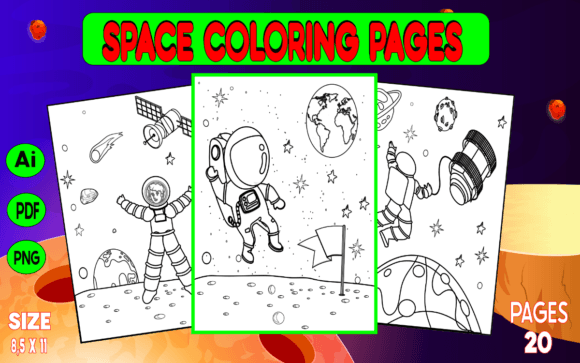
Strategically Engaging Young Minds: The Value of a Best Space Activity Book for Kids
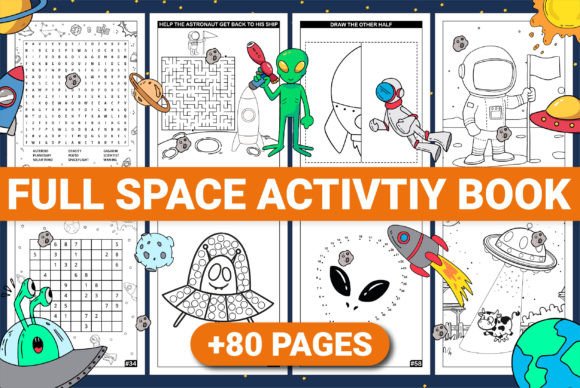
In a digital age saturated with fleeting entertainment, capturing a child’s sustained interest and fostering genuine learning requires thoughtful tools. For educators, entrepreneurs, publishers, and parents aiming to cultivate curiosity, a best space activity book for kids represents more than a simple collection of games. It is a strategic asset designed to build foundational knowledge, enhance cognitive skills, and create memorable, screen-free experiences. A high-quality book, like one featuring 80 pages of word searches, mazes, dot markers, dot-to-dot, coloring pages, and puzzles, serves as a versatile, ready-to-deploy resource that supports broader goals in education, business, and family engagement.
Defining the Strategic Utility of a Comprehensive Activity Book
A best space activity book for kids transcends the typical coloring book. It is a curated, thematic educational instrument. The inclusion of varied activities—from word searches that build vocabulary on planets and galaxies to mazes that develop problem-solving skills—ensures it addresses multiple developmental areas. The strategic utility lies in its completeness. Offering PDF and PNG files with solutions included means it is immediately operational. For a KDP (Kindle Direct Publishing) entrepreneur, this translates to a polished, market-ready product. For a teacher or homeschooling parent, it provides a structured, yet flexible, module for science units. Its design isn’t random; it’s a calculated blend of engagement and education, making the vast topic of the solar system accessible and enjoyable.
Supporting Concrete Goals Through Intentional Content
Whether your primary objective is educational outcomes, brand development, or customer satisfaction, this type of activity book can be a pivotal component. For educators and professionals, its use supports planning by providing a ready-made resource that reduces preparation time while ensuring content quality. It aids in positioning a learning environment as both fun and rigorous. The thematic focus on space connects to broader STEM goals, fostering early interest in science.
For entrepreneurs and creators in the KDP space, a best space activity book for kids is a product that meets a clear market need. Its “full book ready to print” status directly impacts operations and customer experience. You can streamline production, guarantee consistency, and deliver a product that parents perceive as high-value due to its variety and included solutions. This enhances brand reputation for reliability and quality. The practical example here is clear: by choosing a comprehensive, professionally designed interior, you invest not just in a single product, but in the long-term credibility of your publishing venture.
Approaching Implementation: Timing and Considerations
Knowing when and how to deploy such a resource is key to maximizing its value. Its use is most strategic when aligned with specific moments: a classroom’s solar system week, a retail season focusing on educational toys (like back-to-school), or as a consistent offering in a publisher’s catalogue for niche audiences. The approach should be intentional. Before integrating it, consider your audience’s precise age range, the learning objectives you aim to supplement, and the context of use—is it for quiet individual time, group activities, or as a travel companion?
A critical consideration is avoiding reliance without clear goals. Using a space activity book randomly, as mere filler, dilutes its potential. Instead, map its activities to skills: use dot-to-dot for number sequence practice, word searches for terminology reinforcement, and “draw the other half” exercises for symmetry and creativity. This deliberate alignment turns a fun book into a powerful pedagogical or commercial tool.
Planning for Long-Term Engagement and Results
The structure of a 80-page book with diverse activities is inherently designed for sustained engagement. This variety prevents boredom and allows a child to progress through different challenge types, building a sense of accomplishment. From a strategic planning perspective, this longevity is vital. For a business, it means the product has high replay value, increasing customer satisfaction. For a parent or educator, it provides a resource that can be used intermittently over weeks, supporting ongoing learning rather than a one-off session.
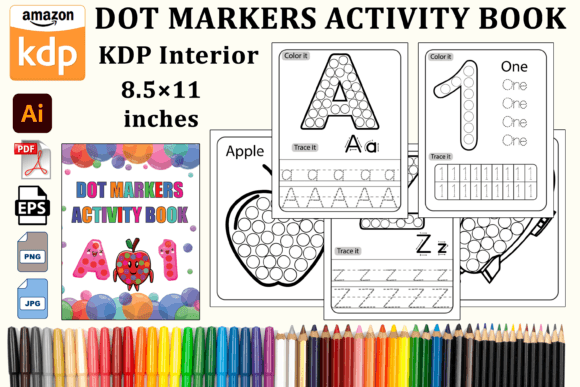
To use it intentionally, segment the book’s contents. You might introduce coloring pages and dot marker activities for younger children or those needing creative relaxation, then gradually incorporate word searches and mazes for older kids ready for more complex tasks. This phased approach respects developmental stages and keeps the material fresh and challenging.
Risks of Uncontextualized Use and the Path to Mitigation
The primary risk of utilizing any activity book, including a best space activity book for kids, without a strategic framework is wasted opportunity. It can become just another disposable item rather than a catalyst for learning or a cornerstone of a product line. Another risk is mismatch: using advanced mazes with very young children may lead to frustration, undermining the positive experience.
Mitigation comes through assessment and integration. Evaluate the book’s contents thoroughly against your children’s abilities or your target market’s expectations. Use the included solutions not just as an answer key, but as a guide to understand the difficulty curve. Integrate the book into a larger plan—pair it with space-themed books, documentaries, or hands-on projects. This contextualization amplifies its impact and ensures every page serves a purpose towards your ultimate goal, whether that’s educational development or commercial success.
Operationalizing the Book for Maximum Value
The practical advantages of a product described as “PDF and PNG files,” “easy to use,” and “full book ready to print” are significant for operational efficiency. For a KDP publisher, this means a streamlined workflow from purchase to upload to sale. There’s no need for additional design time, ensuring faster market entry and consistent quality. For educators and home users, the printable format allows for selective use—printing specific pages for specific days—and cost-effective replenishment.
Decision-making guidance here is straightforward: if your goals include time-saving, quality assurance, and offering a professional-grade product, a pre-designed, comprehensive activity book is a judicious choice. It removes the variable of design skill from the equation, allowing you to focus on marketing, teaching, or distribution. However, ensure the book’s aesthetic and content style align with your brand or educational philosophy; the content must feel cohesive with your other offerings or values.
Cultivating Creativity and Strategic Thinking in Young Audiences
Beyond rote learning, a well-crafted space activity book nurtures higher-order skills. The “draw the other half” exercises demand observation and creative extrapolation. Mazes require planning and foresight. These activities subtly teach strategic thinking—evaluating options, making decisions, and persisting towards a solution. This is the long-term value: not just knowledge about planets, but cognitive frameworks that children can apply elsewhere.
For the adult facilitator—whether a business owner curating products or a parent guiding learning—understanding this deeper value informs how you present the book. Frame it not just as “fun activities,” but as “missions” or “space explorer challenges.” This shifts the child’s approach from passive completion to active engagement, aligning with the strategic aim of developing proactive, problem-solving minds.
Ultimately, a best space activity book for kids is a multifaceted tool. Its strategic power lies in its ability to serve diverse stakeholders with equal efficacy. For the entrepreneur, it’s a market-ready product that enhances brand positioning. For the educator, it’s a curriculum-enriching resource that aids communication of complex ideas. For the parent, it’s a bridge to quality time and developmental support. By choosing and implementing such a resource with clear goals and thoughtful integration, you turn a simple activity book into an investment in curiosity, learning, and tangible results.