Finding Success with Low Competition Niches on Amazon KDP
Starting a publishing journey with Amazon Kindle Direct Publishing (KDP) can be an exciting prospect for new creators. The platform offers access to a global marketplace, but the sheer volume of existing books can make choosing a profitable topic daunting. The concept of Best Low Competitive Niches for Amazon emerges as a strategic approach for newcomers aiming to establish a foothold. This methodology involves identifying specific, often underserved, categories within the journal and notebook market where demand exists but competition from other publishers is relatively minimal.
Understanding the Niche List Approach
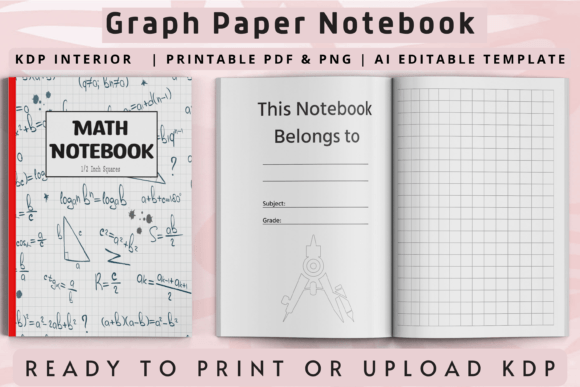
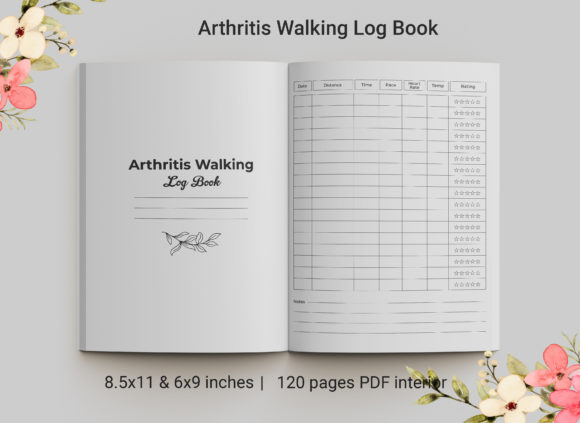
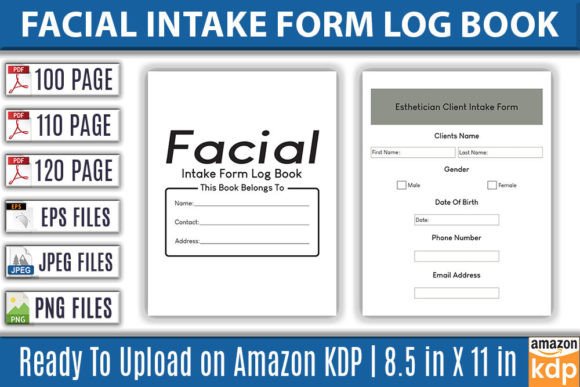
When you encounter a resource labeled Best Low Competitive Niches for Amazon, it typically refers to a curated list of topics or themes. These lists often focus on printable interiors like journals, planners, logbooks, and notebooks, which are popular and evergreen products on KDP. The core idea is not to provide a magical solution, but to offer a researched starting point. Such a list might contain 130 suggestions across various interests, from "Gardening Progress Tracker" to "Bird Watching Log," presented in formats like Microsoft Excel and PDF for easy analysis.
The fundamental value lies in the research shortcut it provides. Instead of spending weeks analyzing Amazon categories and bestseller ranks, a new publisher can review a pre-compiled set of ideas that data suggests have a viable audience with less publisher saturation. This allows you to focus your energy on the creation and publishing process itself.
Why New Publishers Explore This Path
Several key reasons drive interest in low competition niche lists for Amazon KDP. Primarily, it addresses the initial hurdle of topic selection. For someone new to self-publishing, the blank canvas of "what to create" is a significant barrier. A niche list provides concrete directions, reducing paralysis and kickstarting the creative process.
Secondly, it aligns with a realistic business strategy. Entering a highly competitive space, like general gratitude journals or standard notebooks, requires significant marketing effort and differentiation to stand out. Targeting a narrower niche can mean a more accessible path to reaching the first page of search results or category listings, potentially leading to quicker initial sales and organic visibility.
Finally, it encourages specialization. By focusing on a specific hobby, profession, or interest, you can create a product that truly serves a particular community. This depth of focus can lead to better product design, more authentic content, and stronger customer satisfaction, which are foundations for building a sustainable publishing catalog.
Benefits and Practical Tradeoffs
Utilizing a Best Low Competitive Niches for Amazon list offers clear advantages. The most prominent is time efficiency. The research phase is condensed. It also provides a structured way to explore markets you may not have personal expertise in, broadening your potential catalog. Furthermore, starting in a less crowded niche can lead to faster feedback and sales validation, which is crucial motivation for a new publisher.
However, this approach comes with important tradeoffs and considerations. The first is the necessity of due diligence. Any niche idea must be thoroughly checked for existing copyright and trademark issues. A topic on a list might seem perfect, but it could be protected intellectual property. Ignoring this step risks legal consequences and removal of your book.
Another consideration is market size. A low-competition niche often correlates with a smaller, though dedicated, audience. Your potential sales volume might be lower than in a broad category, but your profit per title could be healthier due to less price competition and higher perceived value for a specialized product. You must balance the ease of entry with your long-term income expectations.
Finally, reliance on a list can sometimes limit creativity. The best KDP businesses often grow from a publisher's unique passion or insight. A list is a tool, not a replacement for your own market analysis and idea generation as you gain experience.
When This Approach is a Strong Fit
The Best Low Competitive Niches for Amazon strategy is particularly well-suited for certain situations. If you are a complete beginner to KDP, with no prior publishing or deep market research experience, it serves as an effective onboarding tool. It provides a manageable framework to learn the platform's mechanics—from cover design to keyword selection—while working on a product with a clearer path to visibility.
It is also a strong fit for publishers who view KDP as a part-time endeavor or a test case for entering the self-publishing world. The reduced initial competition allows for a more measured, less resource-intensive launch. Furthermore, if your goal is to build a wide catalog of many titles quickly, starting with these researched niches can streamline the ideation process for your first dozen or so books.
Considering Alternatives and Next Steps
While niche lists are helpful, they are not the only path. Alternatives are worth considering depending on your goals and resources. If you have deep expertise or passion in a particular area, even if it seems competitive, your authentic knowledge could be your greatest advantage. Creating a superior, more detailed product in a broad category can sometimes outperform a generic entry in a small niche.
Another alternative is conducting your own original niche research using Amazon's own tools. Analyzing the "Also Bought" sections of related books, using third-party keyword research tools for KDP, and studying category bestseller lists can yield unique, untapped ideas that no pre-made list contains. This approach requires more time but builds a valuable, proprietary skill set.
Making an Informed Decision
To determine if focusing on Best Low Competitive Niches for Amazon aligns with your needs, ask yourself key questions. Are you seeking the fastest possible route to publishing your first book and gaining market experience? Is your primary initial goal to learn the KDP process rather than achieving maximum revenue from a single title? Do you prefer working with structured, data-backed suggestions over brainstorming from a blank page?
If your answers lean toward "yes," then leveraging such a niche list can be a prudent and practical first step. Remember to treat it as a launchpad. Use the provided ideas as inspiration, always conduct your own copyright and trademark verification, and adapt the concepts to add your unique value. The goal is to start publishing, learn from the market's response, and gradually develop your own ability to identify profitable opportunities, moving from a curated list to becoming an independent, savvy publisher.