Evaluating Geometric Patterns for Creative Projects
The use of decorative patterns is a cornerstone of both physical and digital design. When discussing an Interior Design Decorative Pattern collection, we refer to a curated set of repeating motifs and geometric designs created for functional application. These are not merely aesthetic illustrations; they are production-ready assets engineered for scalability and reproduction across various mediums. The worth of such a collection lies in its ability to bridge the gap between creative vision and practical execution, providing a foundation that professionals and hobbyists can build upon without starting from a blank slate.
Core Characteristics of a Production Pattern Collection
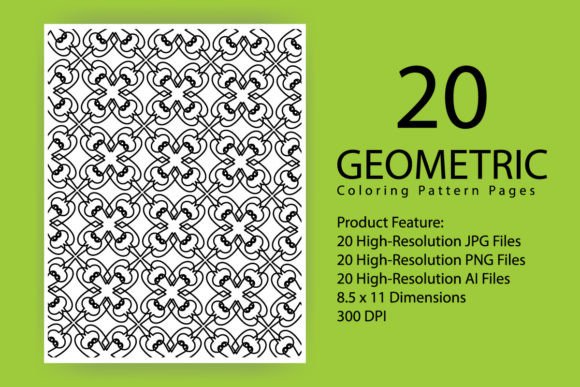
A valuable pattern set, such as one focused on geometric designs, is defined by several key technical and artistic characteristics. The primary purpose is to offer consistent, high-fidelity artwork that can be adapted seamlessly. Essential strengths include format variety, resolution integrity, and design uniqueness. For instance, a collection providing 20 Ai (Adobe Illustrator) files indicates a focus on professional utility. These vector files allow for infinite scaling without loss of quality, which is critical for applications ranging from large-format book covers to detailed fabric prints.
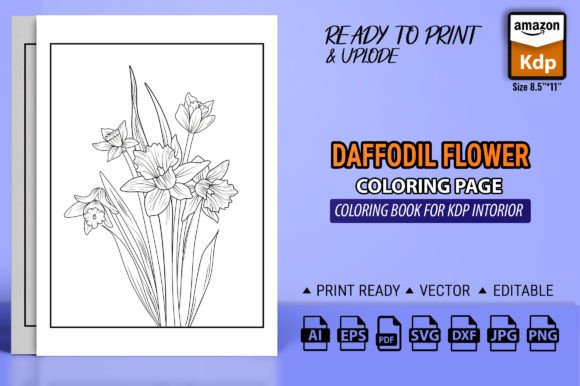
The inclusion of high-resolution JPG files at 300 DPI alongside the vectors addresses a wider range of workflows, catering to users who might work in photo-editing or POD (Print-On-Demand) platforms that require raster images. Dimensions of 8.5 x 11 inches are a standard U.S. paper size, making the patterns immediately applicable for coloring book pages or journal interiors without adjustment. The true practical value emerges from this multi-format approach, granting flexibility.
Quality and Usability in Real-World Applications
How does such a collection perform in actual use? The promise of "high-quality sharp lines" is fundamental. In geometric pattern coloring pages, crisp, clean lines ensure that the final colored artwork looks defined and professional, whether colored digitally or by hand. For interior design mock-ups, a seamless pattern tile must have flawless edges so that it repeats across a digital wall or textile render without visible joins. A reliable collection will have been tested for this seamless property.
Usability extends to the organization of the files. Twenty unique designs offer a substantive starting library, preventing visual repetition across a project. A creator developing an adult coloring book can use each design as a distinct page, while a POD entrepreneur might select different patterns for a series of related notebook covers. The effectiveness hinges on the artistic consistency of the set—are the geometric styles coherent, or do they vary wildly? A cohesive set, even with unique designs, allows for branding and series development.
Who Benefits from These Pattern Assets?
The audience for such resources is broad, but specific roles will derive distinct advantages. Freelance designers and small studio owners often operate under tight time constraints. Access to pre-made, licensable geometric patterns can drastically accelerate project timelines for client work in book design or merchandise.
Entrepreneurs in the POD space require a steady stream of fresh designs for products like mugs, apparel, and home decor. A set of 20 seamless patterns acts as a scalable asset pool. Bloggers, educators, and content creators might use these patterns for digital backgrounds, printable resources for workshops, or illustrative elements in guides. The 8.5 x 11 JPGs are particularly suited for creating downloadable PDF activity sheets.
Even serious hobbyists crafting handmade journals or creating art for local markets find value. The high-resolution files allow for professional-quality personal projects without requiring advanced vector drawing skills. The limitation, of course, is that these are fixed designs. A user needing highly customized, bespoke patterns for a corporate identity would still require original artwork. This collection serves best as an excellent foundational or supplementary resource.
Long-Term Value and Practical Recommendations
Considering long-term value, a well-constructed pattern library should remain usable across software updates and trend shifts. Vector Ai files are a durable standard. Investing in a collection with a clear, commercial-use license provides ongoing returns as new products are developed. For a marketer, these assets can be repurposed across campaigns—from social media graphics using pattern elements to printed event materials.
A practical recommendation is to audit your current tools before acquisition. Ensure your primary software can utilize Ai or high-DPI JPG files. Plan how you will implement the patterns: Will they be modified? If so, the vector format is essential. If you intend to use them directly in POD platforms, verify the required file specifications (often JPG/PNG at specific pixel dimensions). Test one pattern from the set in your intended workflow—apply it to a mock book cover or color it digitally—to evaluate the outcome before committing the full library to a major project.
Ultimately, a resource like this Interior Design Decorative Pattern collection is judged by its ability to integrate smoothly into a creator's process. It should solve a problem—the need for quality, ready-to-use geometric art—rather than just add to a stockpile. By providing multiple file formats, professional resolution, and a quantity of unique designs, it positions itself as a practical toolkit. Its fit for your needs depends on your demand for geometric aesthetics and your production pipeline's capacity to leverage these specific technical assets. For many, it represents a strategic shortcut to a polished, professional finish.